Jan 07, 2026 | Flooring America
Choosing new floors for your home is such an exciting step, and we’re here to make the process as smooth and enjoyable as possible! One of the most popular installation options is the "floating floor" method, a fantastic choice known for its straightforwardness and versatility. But you might be wondering, "Is it the right choice for my home and my family's needs?"
As your neighborhood flooring experts, we believe a great project starts with honest advice. We’re here to walk you through everything you need to know, from what a floating floor is to its pros and cons. Let's explore together and find the perfect fit for your space.
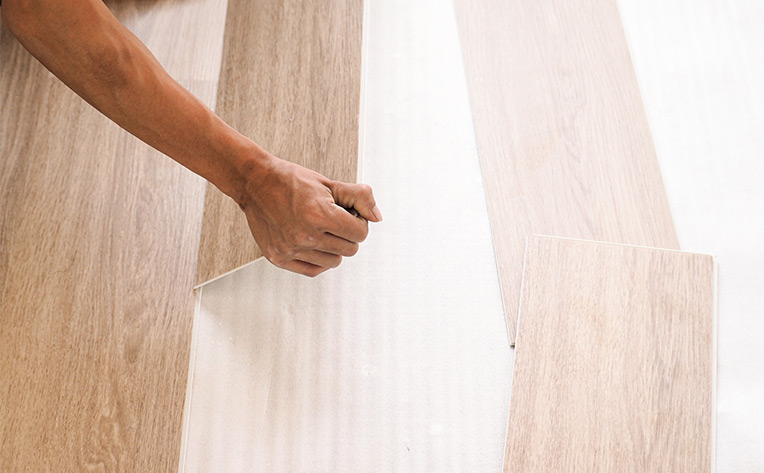
The term "floating floor" refers to how the flooring is installed. The planks are designed to lock together, like puzzle pieces, creating a tight, stable surface. Because of this strong bond, the floor is stable without needing to be glued or nailed to the subfloor beneath it.
The floors in your home are made up of three layers. At the very bottom, you have a strong network of joists, like a skeleton, providing support. On top of that is the subfloor. And finally, you have the beautiful flooring material you walk on every day.
Traditional installation methods often involve nailing or gluing the flooring material to the layers below. This creates a permanent bond that stays put until the floor is eventually replaced. Floating floors, on the other hand, are a bit different. They use modern click-together technology, allowing them to be placed right on top of the subfloor without being permanently fixed down. This makes it a smart and simple approach.
Laminate, luxury vinyl, and engineered hardwood are all wonderful options that can be installed as floating floors. They're designed to click together, creating a seal that locks the planks for a secure, durable surface. Before you fall in love with one, here’s a little more about each type to help you find the perfect match for your home:
One of the biggest advantages of floating floors is their simple installation. The "click-lock" system is remarkably efficient, allowing you to update a room without much disruption to your family's routine. To determine if it's the right choice for your project, it's helpful to compare it to the glue-down method. Since engineered hardwood, laminate, and luxury vinyl can often be installed either way, here's a side-by-side comparison to help you decide.
| Feature | Floating Floor Installation | Glue Down Installation |
|---|---|---|
| Method | Planks or tiles are locked together and "float" over the subfloor without adhesives. | Flooring is adhered directly to the subfloor with glue. |
| Ease of Installation | Often quick and less messy, it requires minimal tools and skills. | It can be more time-intensive, depending on the project's size. Best left to professionals due to adhesives and precision. |
| Removal/Replacement | Easier to remove or replace damaged sections. | More permanent. Removal can be labor-intensive. |
| Cost | Generally more budget-friendly for both product and installation. | May cost more due to adhesive and labor. |
| Pros | DIY-friendly with simple tools, softer underfoot | Very solid and secure underfoot, often better for moisture-prone areas (depending on flooring type), suitable for commercial/high-traffic spaces |
| Considerations | Not ideal for high-moisture areas, and may have slight movement or sound if not installed properly | More complex and best handled by professionals, and installation can be messier |
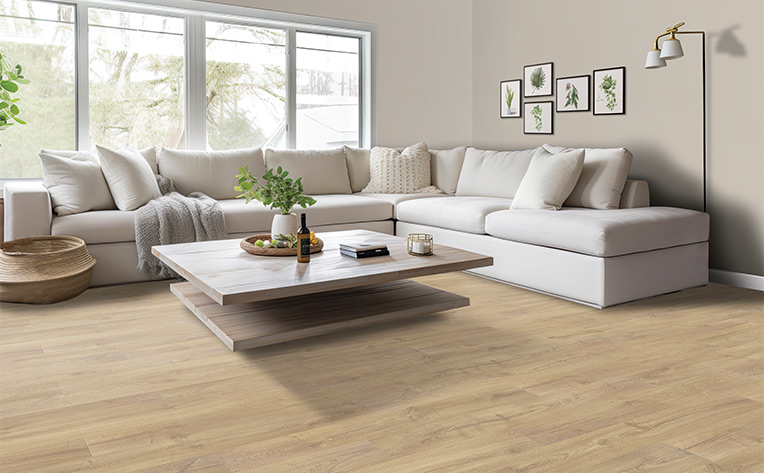
Floating floors are incredibly versatile and can be installed in a wide variety of rooms within your home. Their ease of installation and adaptability make them a popular choice for spaces such as living rooms, bedrooms, and home offices, where flooring needs to be durable yet stylish. They are also an excellent option for basements due to their ability to adapt to slightly uneven subfloors. However, it is important to consider the type of floating floor material when installing it in areas with higher moisture levels, such as kitchens and laundry rooms, to ensure long-lasting performance. By selecting the right materials and underlayment, floating floors can offer both beauty and practicality in nearly any area of your home.
Thinking about a floating floor for your home? We're here to help you get started. Swing by one of our local stores or get in touch online to chat with our friendly flooring experts. No matter the size of your project, we're committed to making it a smooth and happy experience for you and your family. From picking out the perfect style to getting you ready for installation day, think of us as your helpful neighbor, here to support you every step of the way. Ready to get started? Contact us now and shop our flooring selection online!
